
Furniture
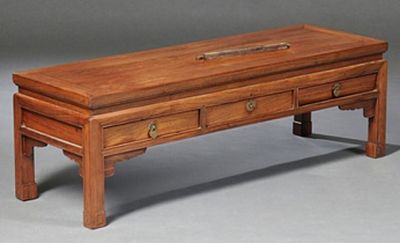 One of the delights of antique furniture as with all practical antiques, is that it is a tangible link with the past. Sitting at a 1700´s desk, it is easy to imagine an earlier owner leaning on the same surface, struggling with an important letter. An ink stain on a well-rubbed edge adds to the sense of continuity.
The way antique furniture carries the mantle of age is one of its appealing characteristics. Whilst ceramics and glass are little altered by the years, a piece of furniture changes in subtle ways, its timbers gradually shrink and mellow through handling, polishing and exposure. This slow maturing gives it a unique patina that cannot be matched – or reproduced – by the finest new pieces.